Why Microchipping Your Pet Is Essential In Queensland
Losing a pet is one of those situations that can escalate quickly. A door left ajar, a storm, a dropped lead, a visitor who forgets to latch a gate, and suddenly a dog or cat can be streets away in minutes. In Queensland, microchipping isn’t only a practical safety step, it’s also tied to legal requirements and responsible pet ownership. For families, renters, landlords, and anyone moving house, it’s one of the simplest ways to improve the odds of a fast reunion if a pet goes missing.
This guide explains what microchipping is, what the rules generally require in Queensland, and what to expect if you book your pet in for microchipping at a veterinary clinic.
What Microchipping Is and How It Works
A microchip is a small electronic chip, about the size of a grain of rice, that’s inserted under your pet’s skin (usually between the shoulder blades). It carries a unique number that can be scanned by vets, shelters, and animal management teams. That number links to an online database where your contact details are stored.
The microchip doesn’t track your pet like GPS. It’s an identification tool. If someone finds your pet and takes them to a vet clinic in Townsville or an animal facility, a quick scan can show the registered number, then staff can contact you using the database details. The microchip is designed to last for your pet’s lifetime, but it only works if your information stays accurate.
Is Microchipping Mandatory in Queensland? What the Rules Say
In Queensland, microchipping requirements can apply depending on the animal type, the pet’s age, and local council rules. Many councils require dogs and cats to be microchipped by a certain age, and microchipping is often linked to registration and ownership transfers. Requirements can also apply when animals are sold, given away, or adopted, particularly through breeders and rescue pathways.
Because rules can vary by local government area and can change over time, it’s a good idea to confirm what applies to your address. A veterinary clinic in Townsville can usually help you understand the general expectations, and they can microchip your pet as part of routine care.
Lost Pets Happen Fast: Why ID Matters
Even well-trained pets can bolt when they’re startled, chasing wildlife, or reacting to loud noise. Cats can slip out during packing and unpacking, and dogs can wander through an open gate during busy family moments. The problem is that a lost pet is often found by someone who doesn’t know where they belong.
That’s where permanent ID matters. Collars can break, tags can fall off, and harnesses can slip. A microchip stays with your pet. If your pet ends up at a vet in Townsville, staff can scan them quickly and start the process of contacting you. It’s one of the most reliable back-up plans you can put in place.
Microchip vs Collar Tag: Why Both Can Help
A microchip and a collar tag aren’t competing options. They work best together. A visible tag can get your pet home without a trip to a clinic, because a neighbour can call you directly. A microchip helps when the collar is missing, unreadable, or removed, or when someone takes your pet to a shelter or veterinary clinic for scanning.
For dogs, collars can be practical for day-to-day ID. For cats, collars are often removed or lost, especially in outdoor or semi-outdoor situations. Microchipping adds a layer of safety that doesn’t depend on a visible accessory staying in place.
If you’re weighing up what to do first, the most robust approach is usually microchip plus a tag, then keep the registration details current. A vet clinic in Townsville can talk you through the best setup for your pet’s lifestyle and risk profile.
When to Microchip Puppies and Kittens
Microchipping is commonly done when pets are young, often alongside vaccinations and early health checks. Many owners choose to microchip puppies and kittens before they start exploring more independently, and before they begin staying at boarding facilities, groomers, or daycare services.
If you adopt a pet, they may already be microchipped. The important next step is confirming the microchip details are correctly transferred into your name and linked to current contact information. If you’re unsure, a veterinary clinic in Townsville can scan the chip, confirm the number, and guide you on how to check the database registration.
For pets that missed early microchipping, it’s usually still worth doing at any age, particularly if your pet has a habit of escaping, you’re moving house, or your contact details have changed.
Why Keeping Your Microchip Details Updated Is Critical
A microchip is only as good as the information attached to it. One of the most common problems clinics see is outdated phone numbers, old addresses, or details still listed under a previous owner. When that happens, a found pet may be scanned, but the reunion process stalls because staff can’t reach the right person.
Any time you change your phone number, move house, or change emergency contacts, update your microchip record. Do the same if your pet changes ownership within the family, or if your pet is rehomed. Keeping details current is an easy task that can make a major difference if your pet is found.
If you’re not sure where your pet is registered, a vet in Townsville can scan the microchip number and help you identify the database or next steps to update it.
What to Expect at a Microchipping Appointment
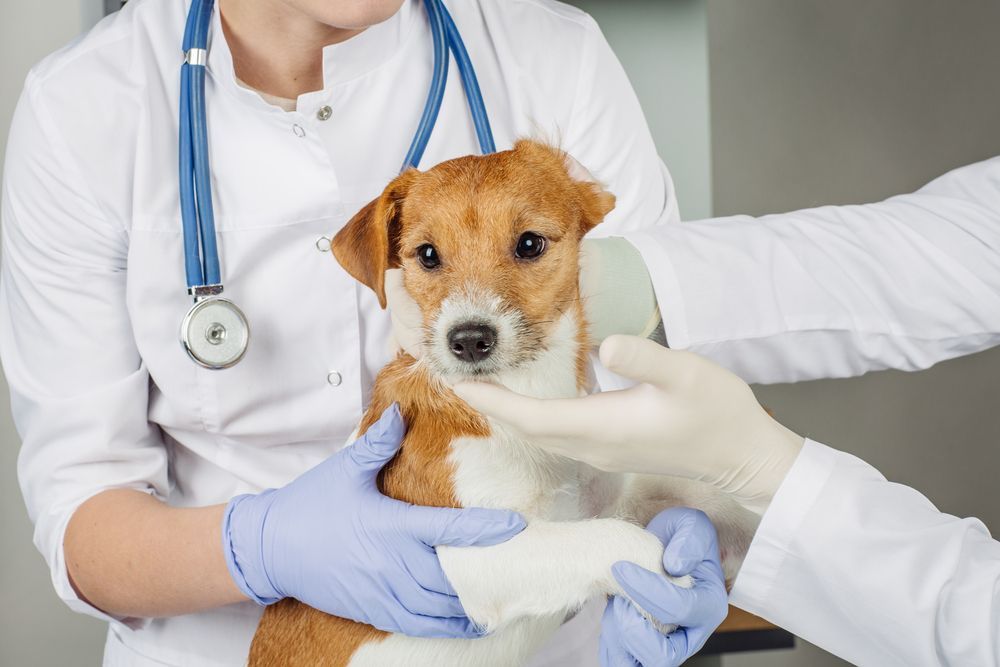
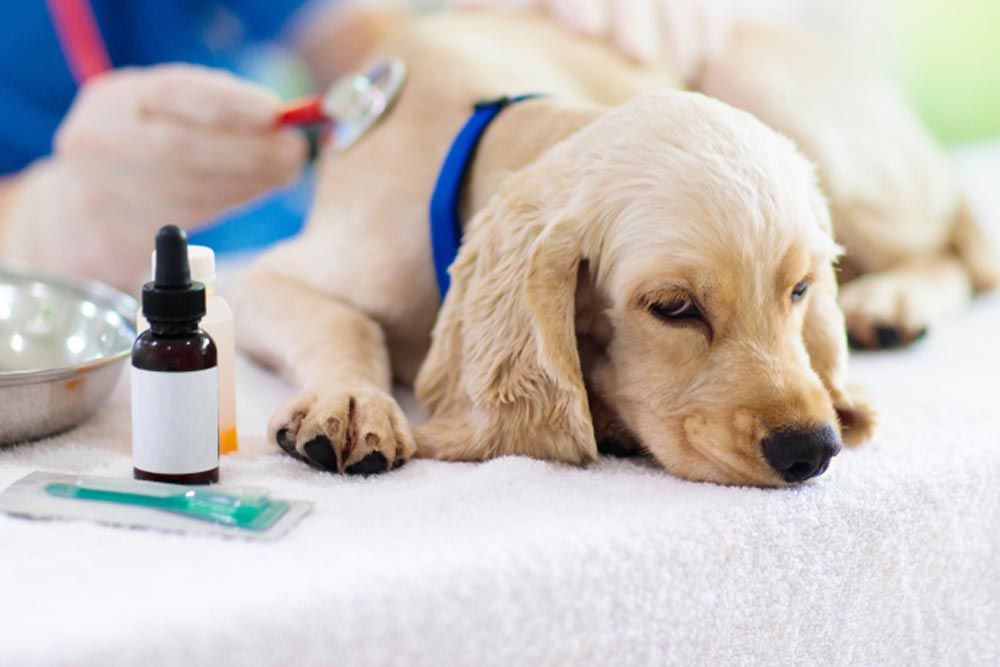
A microchipping appointment is usually straightforward. A clinician will check your pet’s general health and confirm the best placement area. The microchip is inserted using a sterile needle. Most pets tolerate it well, similar to a vaccination needle, although some may react briefly due to the sensation.
After the chip is placed, the clinic scans it to confirm it is readable and recorded correctly. You’ll then be guided through registering the microchip, or confirming your details are correct if it’s being transferred. Some clinics will also recommend pairing microchipping with vaccination or a general wellness check so you can cover multiple needs in one visit.
If your pet is anxious, reactive, or difficult to handle, tell the clinic when you book so the team can plan the appointment in a way that keeps things calm and safe. A veterinary clinic in Townsville is used to working with pets of all temperaments, and a little planning can make the experience smoother for everyone.
Choosing a Vet Clinic Townsville Pet Owners Can Trust
Microchipping is quick, but it’s still worth choosing a clinic that explains the process clearly and helps you get the paperwork right. A good clinic will make sure the chip is scanned and confirmed, your registration steps are clear, and you understand how to update details in the future.
It also helps to choose a clinic you can return to for ongoing care, because a consistent relationship makes it easier to manage vaccinations, parasite prevention, dental health, weight checks, and senior pet support later on. If you’re searching for a vet clinic in Townsville, look for clear communication, calm handling practices, and straightforward guidance around Queensland requirements and local expectations.
Book a Microchipping Visit in Townsville
We at
Western Suburbs Veterinary Clinic help pet owners take practical steps toward safer, more responsible care, including microchipping and clear guidance on keeping details current. If you’re looking for a trusted vet in Townsville to organise microchipping,
contact us to book an appointment and get your pet’s ID sorted with confidence.